Natural Dyeing with Weld
freshly harvested weld plant tops
Weld dyeing instructions
These instructions are for cellulose fabrics. Begin by scouring your fabric as explained here. Once scoured treat your fabric in a bath of tannin at 10% WOF then mordant with potassium aluminum sulfate at 15% WOF. Step by step instructions for both the tannin and mordant processes can be found in this blog post. Weigh out dried weld at 50-125% WOF. The lower percentage will yield medium yellow shades and the higher percentage will yield the strongest most saturated yellow shades.

weld weighed out at 100% WOF
Choose a dye pot that will give your fabric ample room as in don’t cram too much in the pot. Here I’m dyeing 1 yard of fabric in a 5 gallon pot that’s about half full. Fill the dye pot about 1/4 of the way with near-boiling water and add the weld. Give it a good stir and let it steep at room temperature for 12-24 hours. The next day top off the dye pot with enough warm water to submerge your fabric without the pot being too crowded, then add 1 tsp. calcium carbonate (chalk) per gallon of water, and give it a good stir. If your water is rich in calcium, you may not need to add the chalk but weld is one of the few natural dyes that has an affinity for calcium (hard water) and often brighter yellows are achieved by adding it. Add your wetted out fabric to the dye pot and submerge.

adding the mordanted fabric to the dye bath
Slowly bring the dye bath up to 160-170f and hold it there for an hour keeping the fabric fully submerged and stirring often. If you’re happy with the color after an hour remove the fabric, rinse once and hang to dry. If you want to try for a more saturated color, hold the dye bath at 160 for another hour or so.

mordanted fabrics freshly added to the dye pot

sunshine yellow transferred from weld plant tops to a variety of cellulose fabrics (the green on the right is unbleached linen)

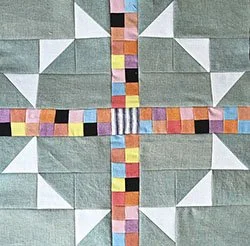
weld dyed fabrics ready to become a quilt
Happy dyeing! If you’re in need of some weld I have you covered. All the dyestuffs I offer are planted, tended and harvested by me right here on our small organic family farm.
Be sure to check out my book Farm & Folk Quilt Alchemy: A High-Country Guide to Natural Dyes and Making Heirloom Quilts by Hand. The book includes more information about dyeing with weld (and many other dye plants) and how to use modifiers of iron or indigo to shift the yellows to various shades.
Weld
(Reseda luteola)
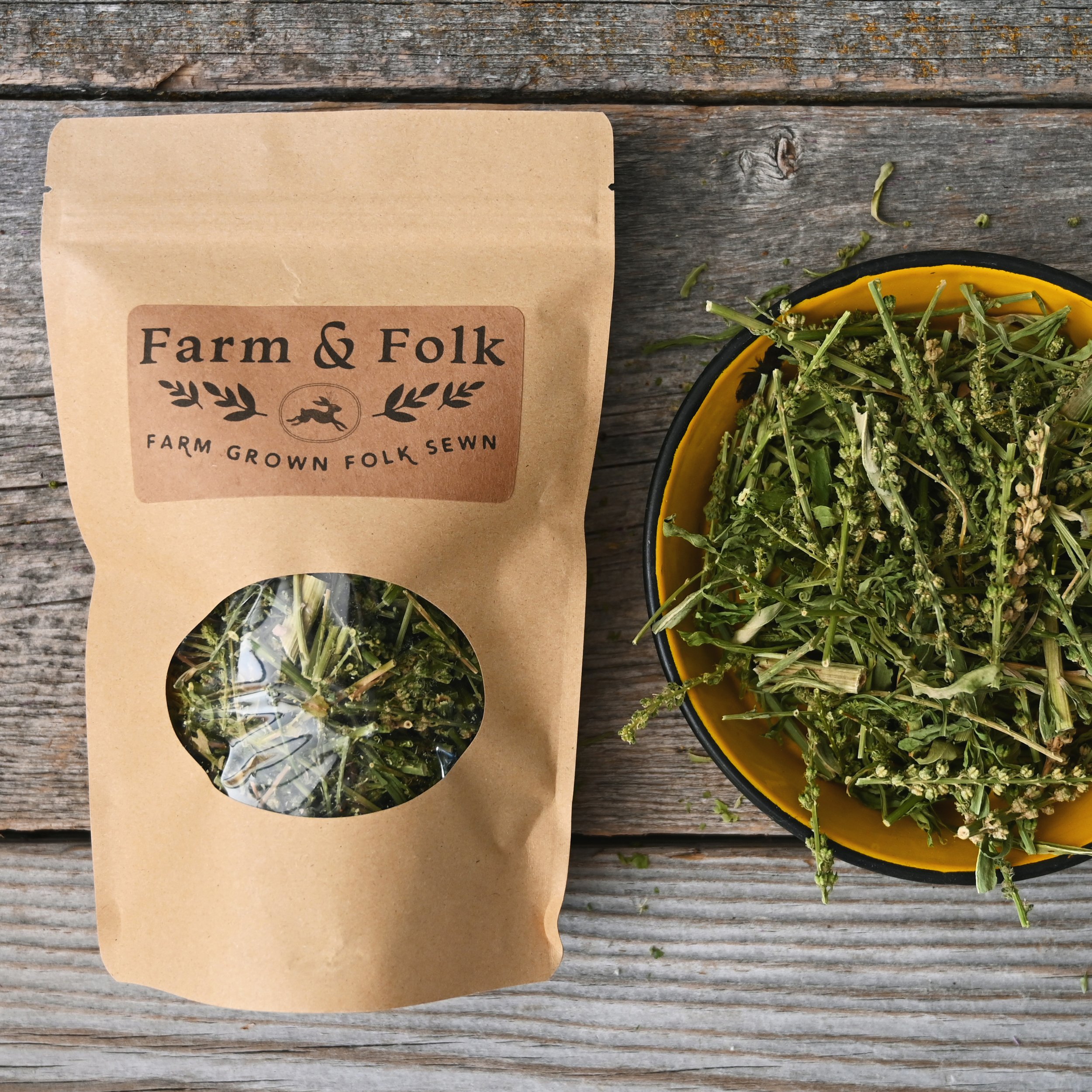
Weld plant tops including flowers, stems and leaves. This is my most potent crop of weld so far. Weld is an ancient natural dye that yields bright, clear, very colorfast yellows. It also yields beautiful shades of greens and tans depending on the fiber base color, and the mordants used. This can be used in bundle dyeing and eco-printing experiments or to set up an immersion dye bath. See my resources linked below.
Available in 4 sizes this year! Choose from 50 grams, 100 grams, 1/2 pound, and wholesale 1 pound options in the dropdown menu.
Grown, harvested, and cured by Sara here in southwestern Colorado on Ancient Future Farm. Our family has been tending this land and soil with regenerative growing methods since 2005. Our soil is nurtured through extensive cover cropping and our crops are fertilized with compost that we make right here on site. We never use synthetic chemicals such as herbicides, pesticides, chemical fertilizers, or fungicides. Our dye flowers are harvested every day by hand when they reach their optimal potential and then carefully cured in our curing room out of direct sunlight. All of our natural dyestuffs are packaged in heat sealed envelopes to keep them fresh. For best results we recommend using them within a year.
Resources: