Image 1 of 4
 Image 2 of 4
 Image 3 of 4
 Image 4 of 4
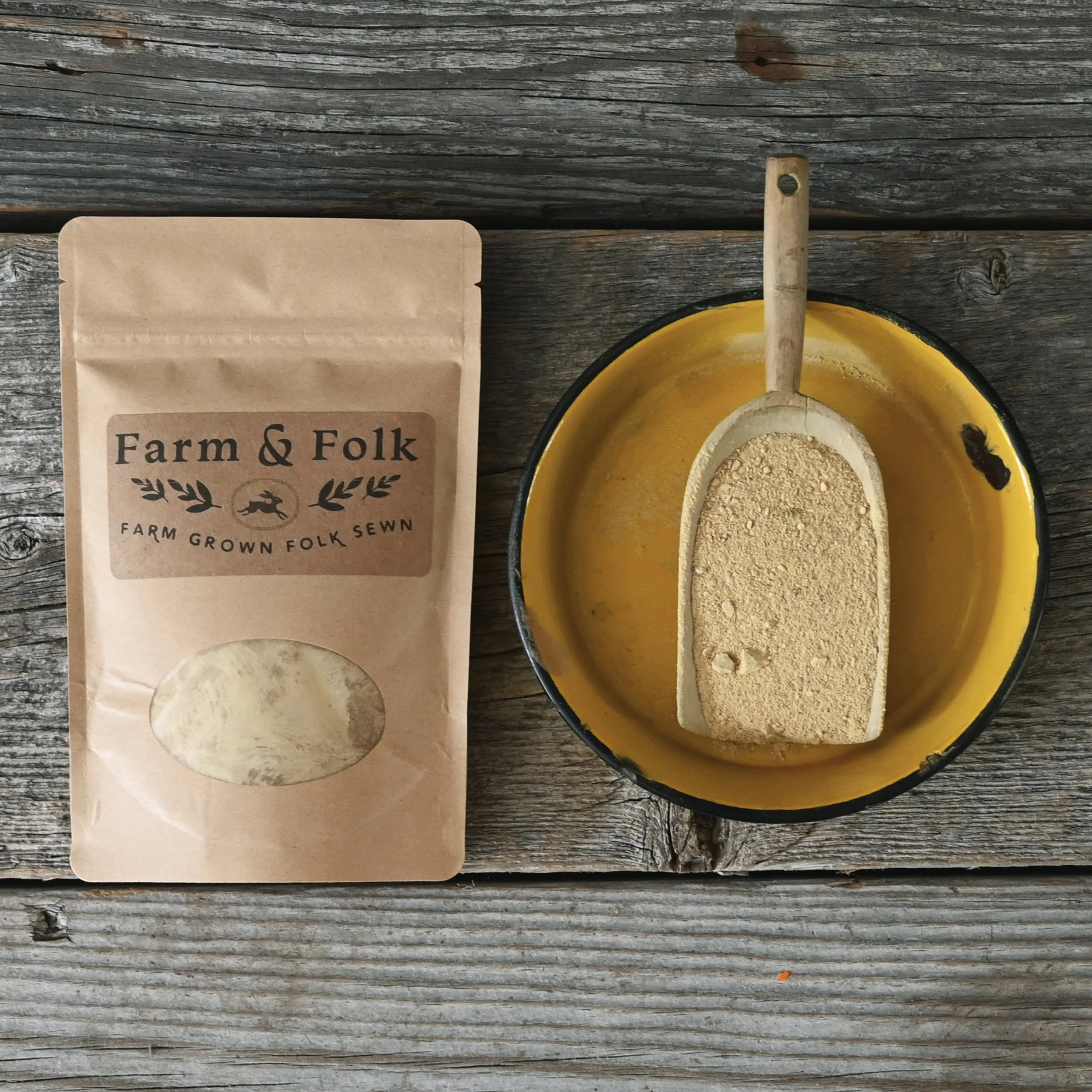
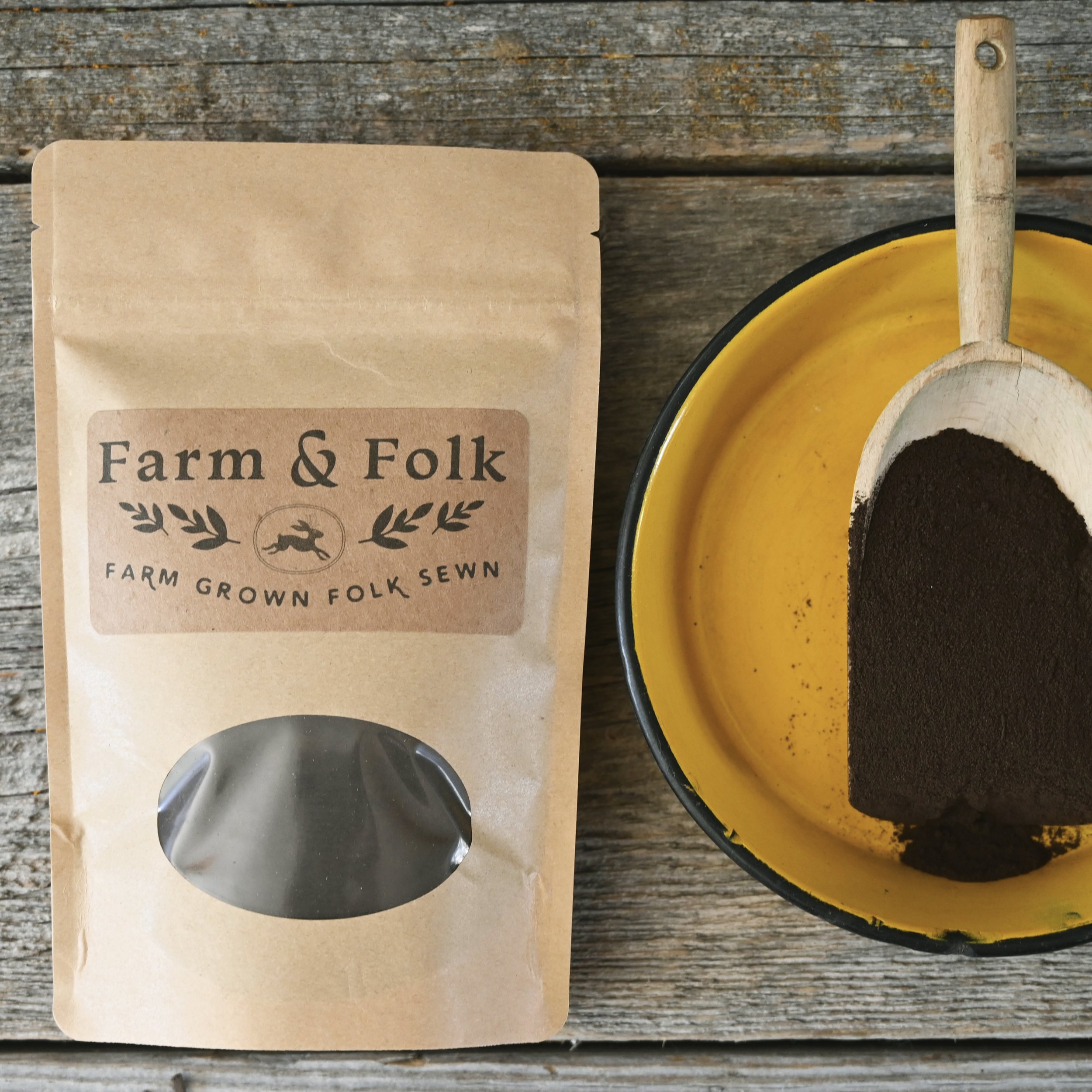
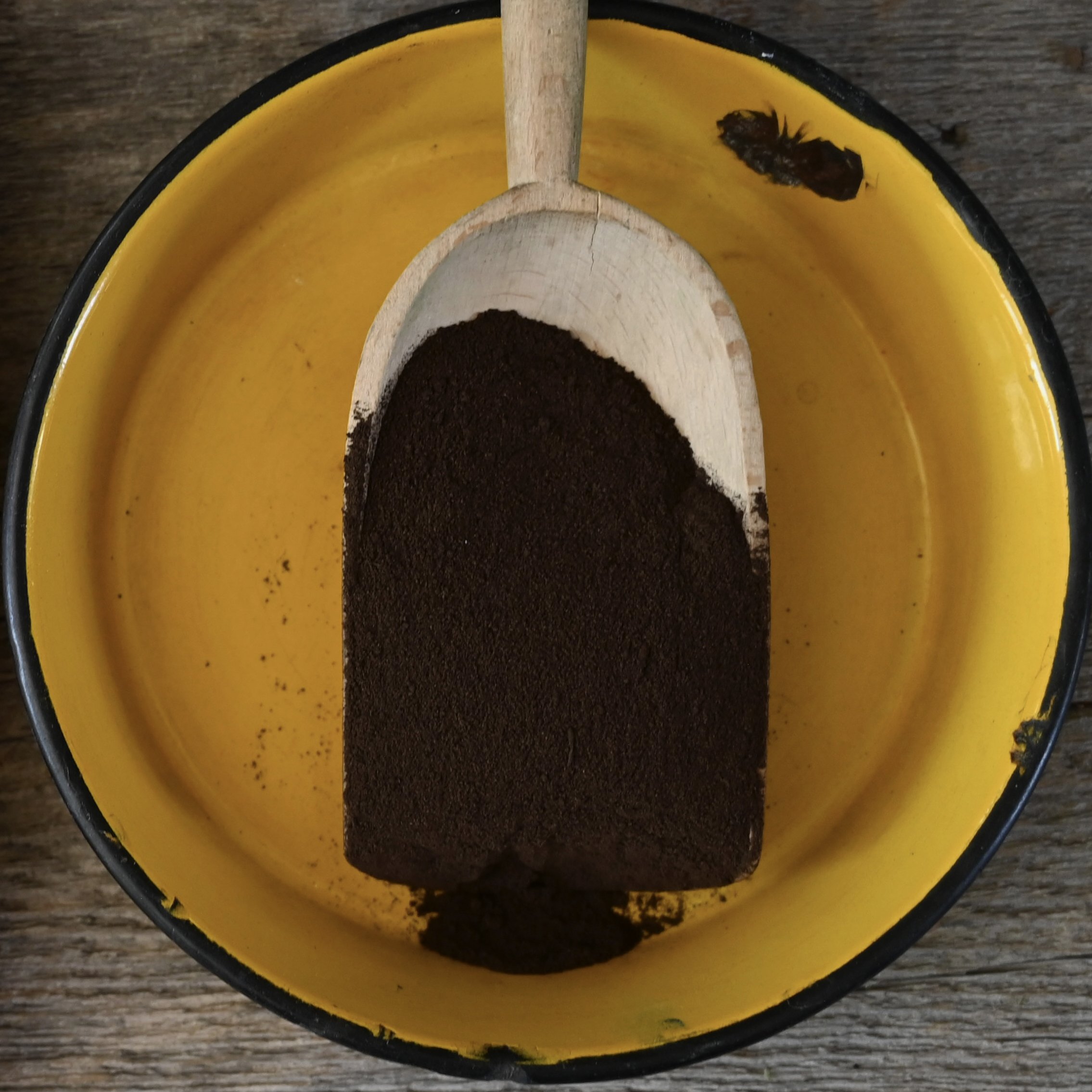
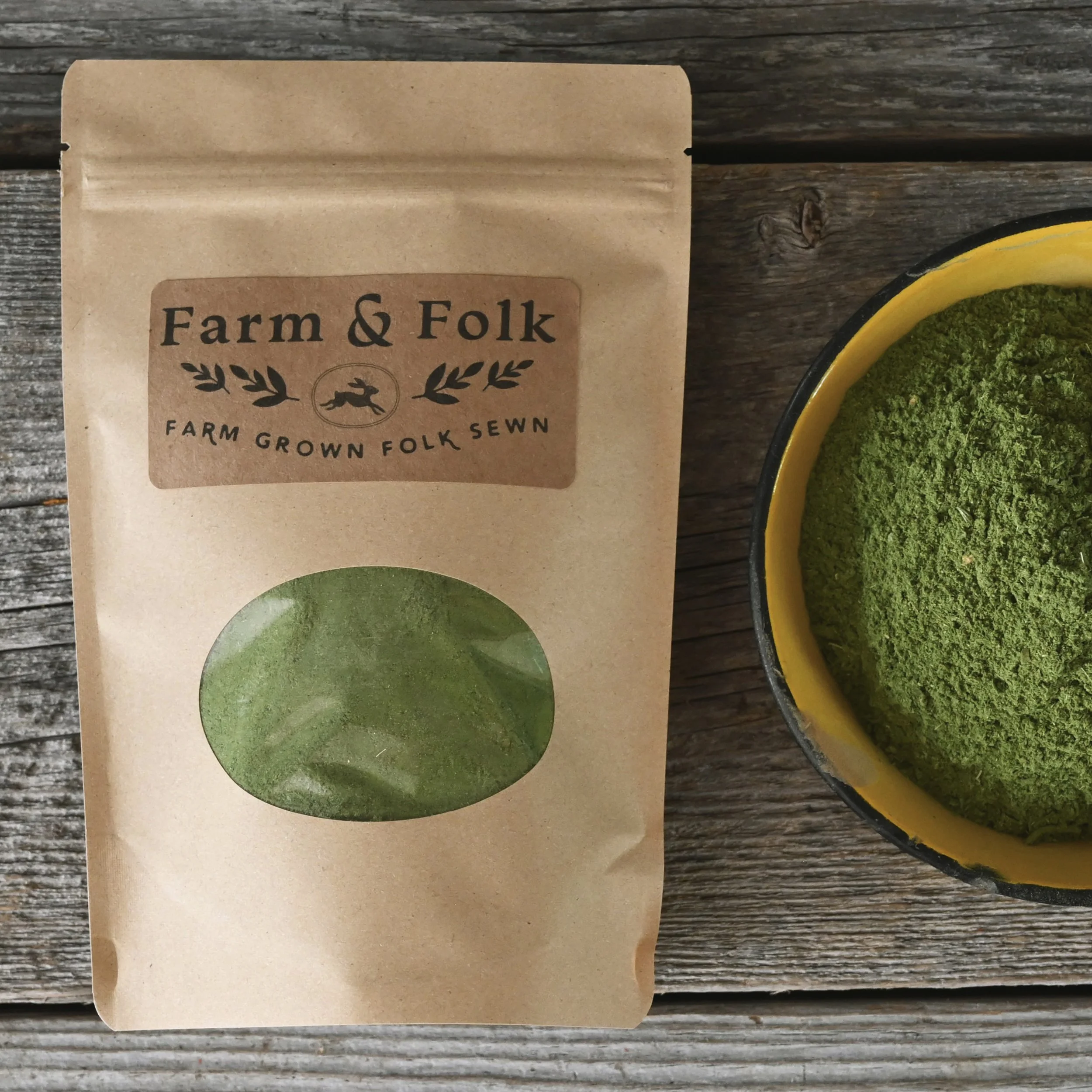
Rocky Mountain Juniper is a common tree species here in the Colorado high desert. We have a bunch of them here on the farm and one broke in half during an ice storm last winter. I spent a few days trimming the broken branches into small pieces, then dried them and ground them into a fine powder. This mix contains small woody stems, leaves, and berries. It’s extremely strong smelling so maybe pass on this one if you’re sensitive to strong piney essential oil smells.
Use Rocky Mountain Juniper at 50% WOF for cellulose fibers and 25% WOF for protein fibers. Pour boiling water over the dyestuff and let it steep overnight. The next day add more water to the dye pot, bring it up to 180°F, and hold it there for at least an hour to extract the dye. Add the fibers and hold the temperature at 180°F for at least an hour then turn off the heat and let the fibers cool in the dye bath. Longer steeping times will yield darker shades. Treating the fibers in an iron bath at 2-4% WOF will deepen the shades.
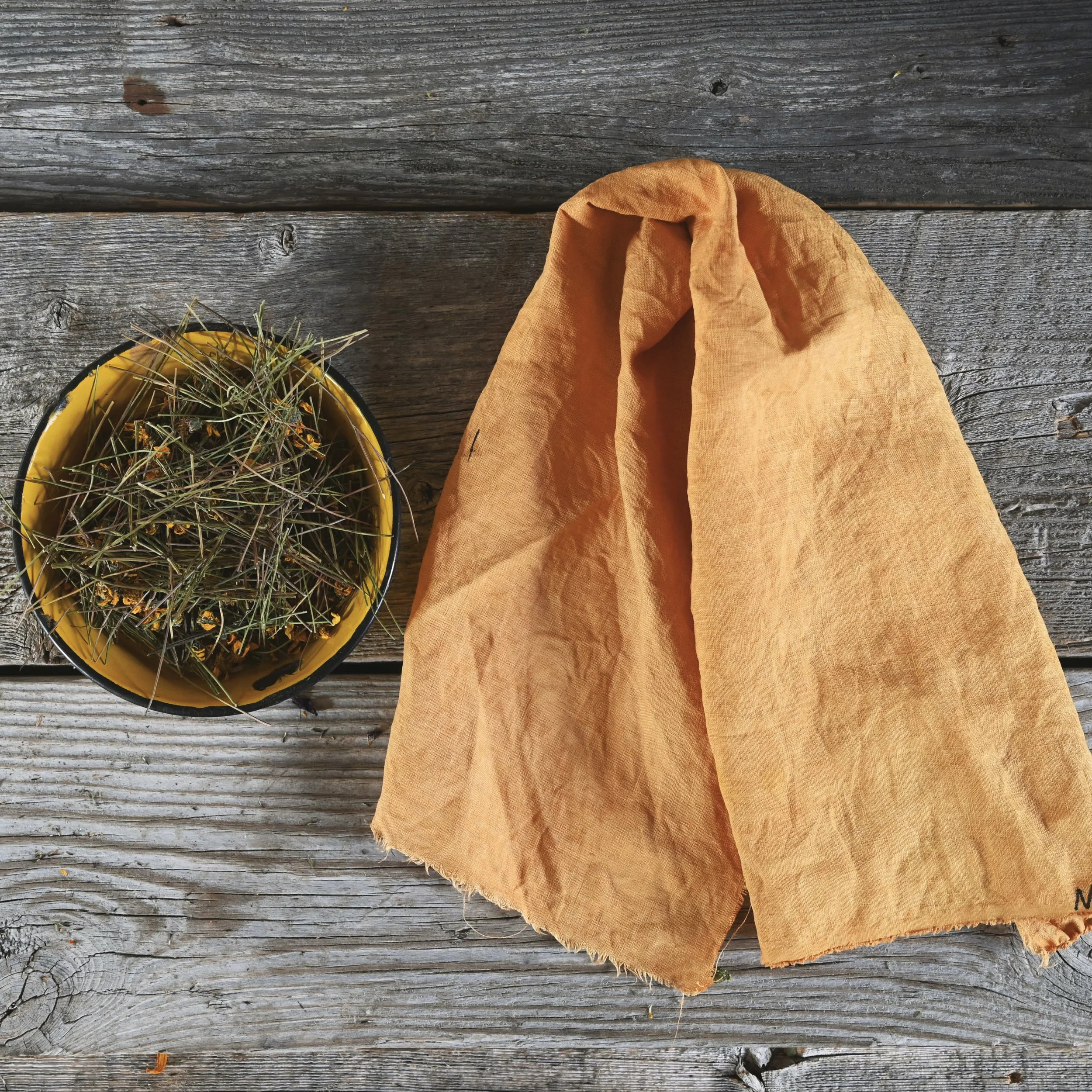
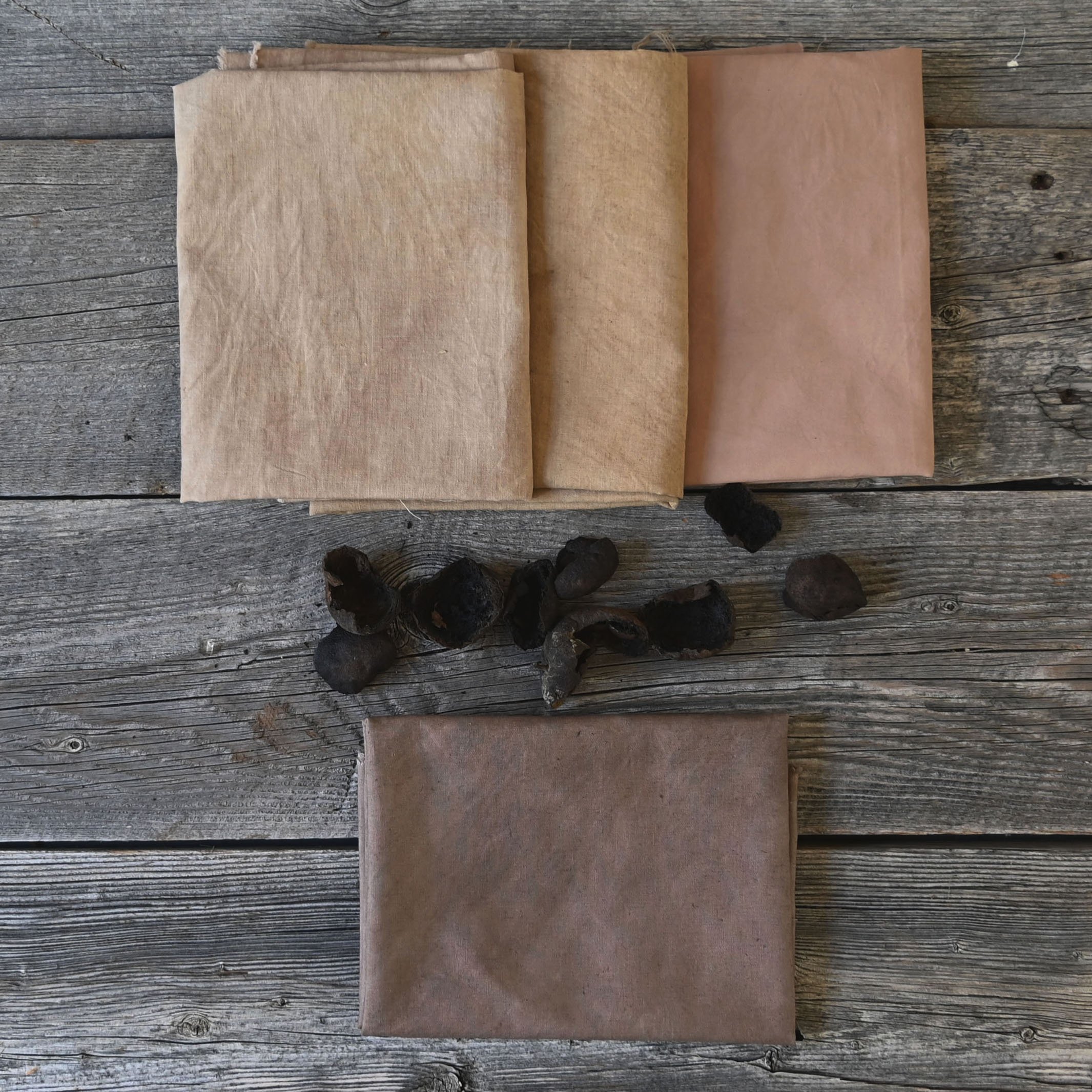
When I experimented with this dyestuff I achieved a beautiful warm orangey-tan on hemp fabric. When shifted in an iron bath of 2% WOF after dyeing, the color became more saturated.
Rocky Mountain Juniper is a common tree species here in the Colorado high desert. We have a bunch of them here on the farm and one broke in half during an ice storm last winter. I spent a few days trimming the broken branches into small pieces, then dried them and ground them into a fine powder. This mix contains small woody stems, leaves, and berries. It’s extremely strong smelling so maybe pass on this one if you’re sensitive to strong piney essential oil smells.
Use Rocky Mountain Juniper at 50% WOF for cellulose fibers and 25% WOF for protein fibers. Pour boiling water over the dyestuff and let it steep overnight. The next day add more water to the dye pot, bring it up to 180°F, and hold it there for at least an hour to extract the dye. Add the fibers and hold the temperature at 180°F for at least an hour then turn off the heat and let the fibers cool in the dye bath. Longer steeping times will yield darker shades. Treating the fibers in an iron bath at 2-4% WOF will deepen the shades.
When I experimented with this dyestuff I achieved a beautiful warm orangey-tan on hemp fabric. When shifted in an iron bath of 2% WOF after dyeing, the color became more saturated.